Isophoric News · Tuesday, November 3, 2026
Northeastern study finds Vizio TVs kept sending data to a content-recognition endpoint after viewers opted out
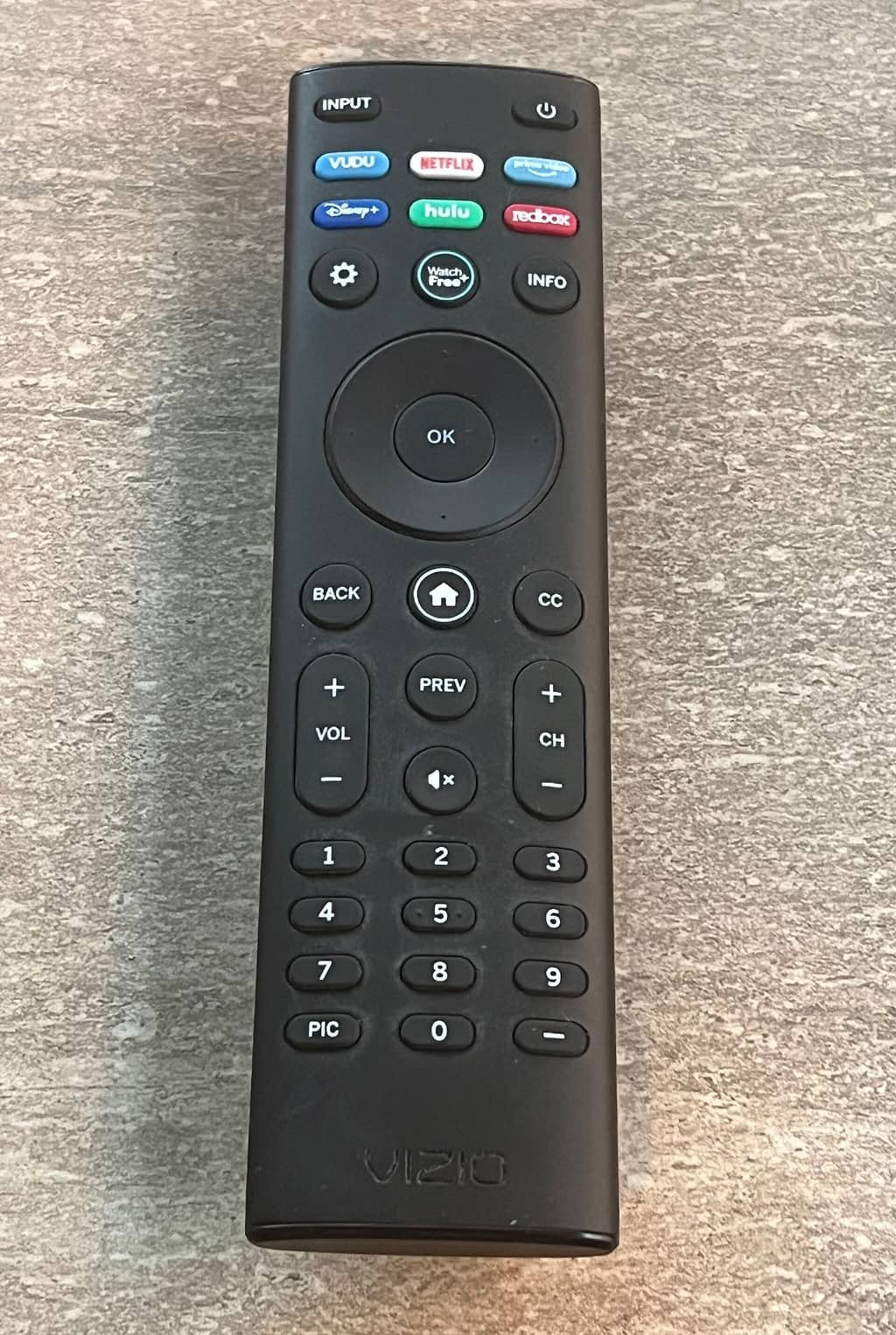
A Northeastern University study of automatic content recognition, the technology smart TVs use to capture snapshots of what is on screen, found that the advertised opt-out fully stopped the related traffic on only four of the eight TV operating systems tested, according to the paper. On Vizio's SmartCast system, an endpoint the researchers linked to content recognition kept receiving traffic in 100 percent of opted-out scenarios, and on Samsung's Tizen, traffic consistent with it persisted in more than 60 percent, the authors wrote. The traffic was encrypted, so the researchers said they could not confirm what it contained or whether Vizio was violating its 2017 FTC settlement, in which it paid $2.2 million and agreed to provide a working opt-out. The team ran 5,943 experiments on twelve TVs. It found viewing data sent without encryption on two platforms, one of them the VIDAA system that Techdirt said is found mainly on Hisense and Toshiba TVs, and an unprotected server that exposed 57 million content-recognition results from more than one million TVs in a three-hour sample, which the researchers reported and which was fixed, according to the paper. Techdirt reported the study on Monday. Neither the paper nor Techdirt includes a response from Vizio.